In 1959, in the wake of nearly a decade of postwar experimentation with new forms of musical notation, the American visual artist George Brecht began to develop a genre of text-based performance instruction he called the “event score.” Having turned his creative energies away from abstract expressionist painting and, correspondingly, his intellectual focus away from the work of Jackson Pollock and toward that of John Cage, Brecht joined Cage’s experimental composition course at the New School for Social Research in the summers of 1958 and 1959. His notebooks from the time, selections of which are included in the Archive section of this chapter, provide an illuminating chronicle of this period.
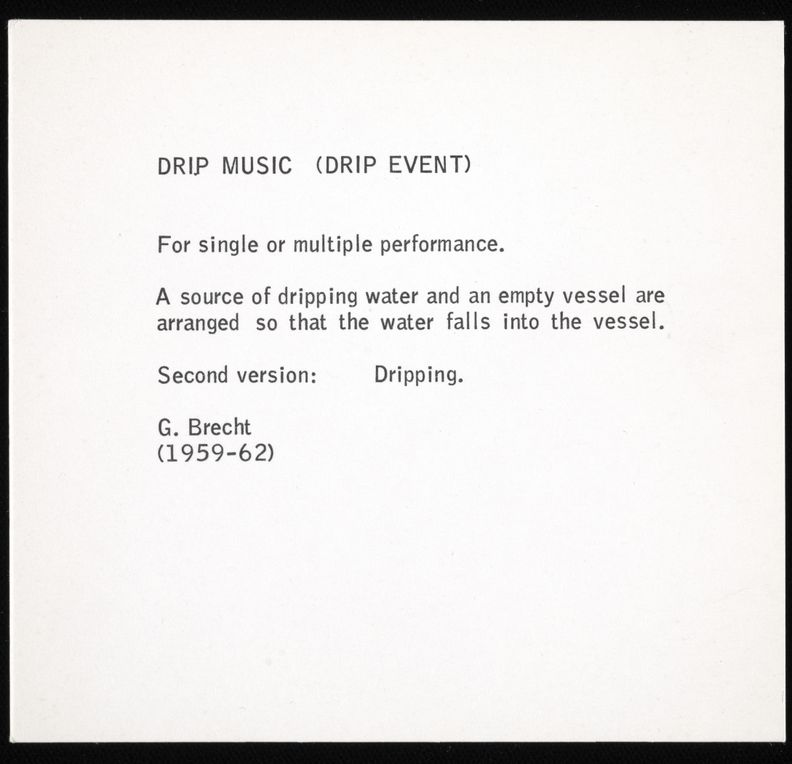
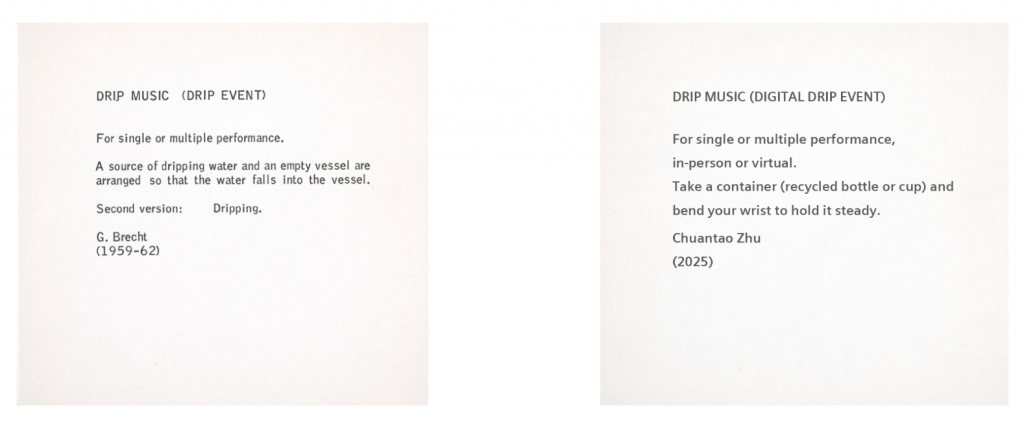
Brecht, a key person in the Fluxus art movement, designed “Drip Music” as a simple but deep instruction: “A source of dripping water and an empty vessel are arranged so that the water falls into the vessel.”
No commands, no assigned performers—just an open framework that turns ordinary dripping into potential music.
Brecht framed everyday actions as time-based art, blurring modernism’s rigid lines into postmodernism. “Drip Music” isn’t about elite art; it’s about making creativity available to everyone, turning life into events anyone can reinterpret. As one of Fluxus’s most famous works, this free, open performance allows all kinds of people to imitate or recreate it in their own ways.
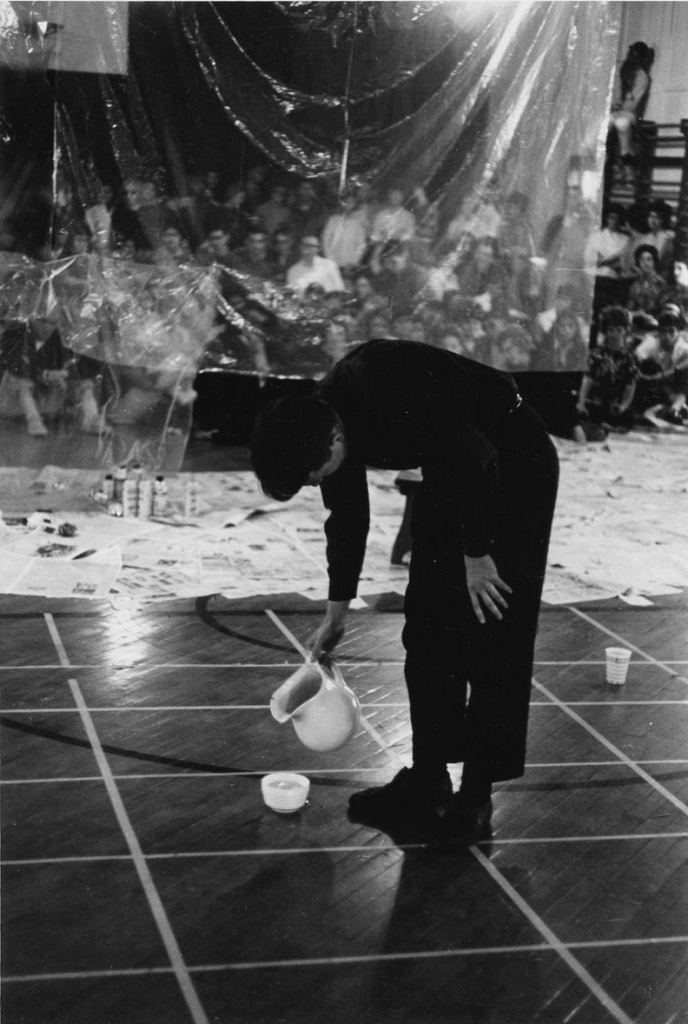
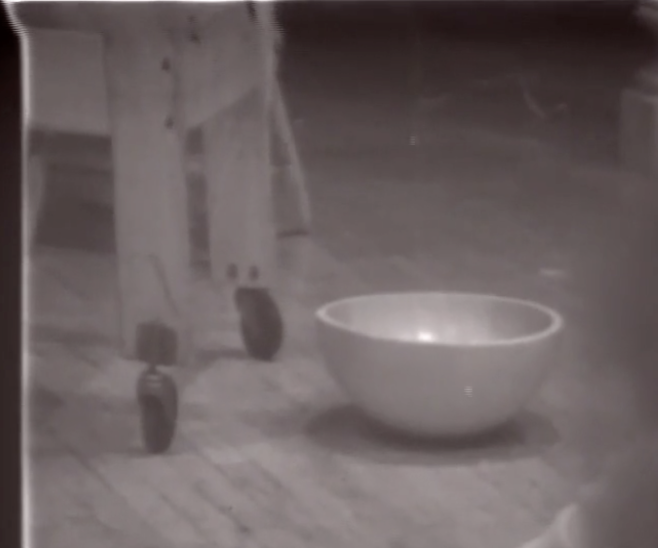
Dick Higgins performing George Brecht’s Drip Music (Drip Event) (1959–62), The Kitchen, New York, NY; excerpted from the film Flux Concert,
directed by Larry Miller
24 March 1979
digitized video,
2 min video
Getty Research Institute, The Kitchen Videos and Records, 2014.M.6, item K2001845
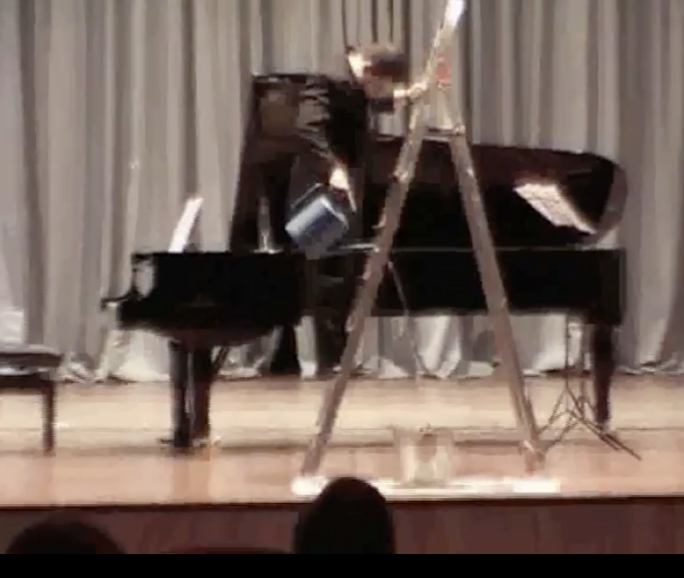
Drip Music (Drip Event)
George Brecht (American, 1926–2008)
1959–62
digital video
score
Getty Research Institute, Jean Brown Papers, 890164,
box 127 (contained within the compendium Water Yam)
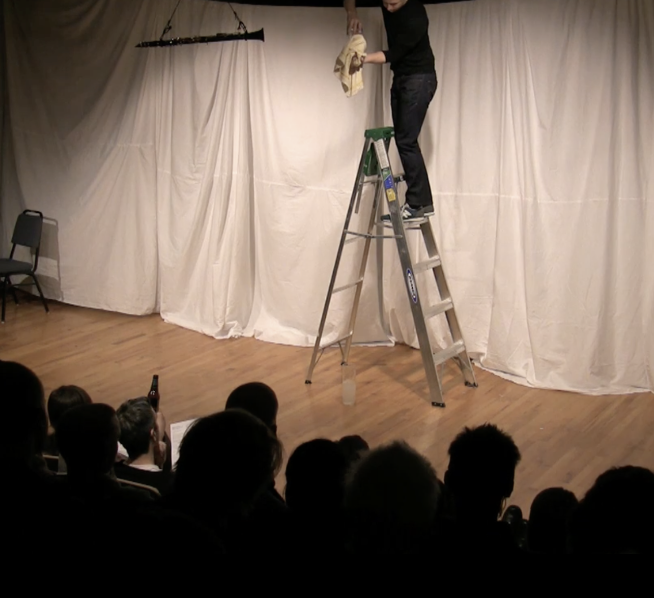
Perry Garvin performing George Brecht’s Drip Music (Drip Event) (1959–62), Triskelion Arts, Brooklyn, NY, part of FLUXCONCERT 20090220-21: two evening performances of event scores written by Fluxus pioneer George Brecht
20 February 2009
digital video
Drip Music (1959), from thealbum George Brecht/BenPatterson: Drip Music/370 FliesAlga Marghen (record label),Milan, ltaly(recorded 2002)
https://www.getty.edu/publications/scores/06/
COPYING:
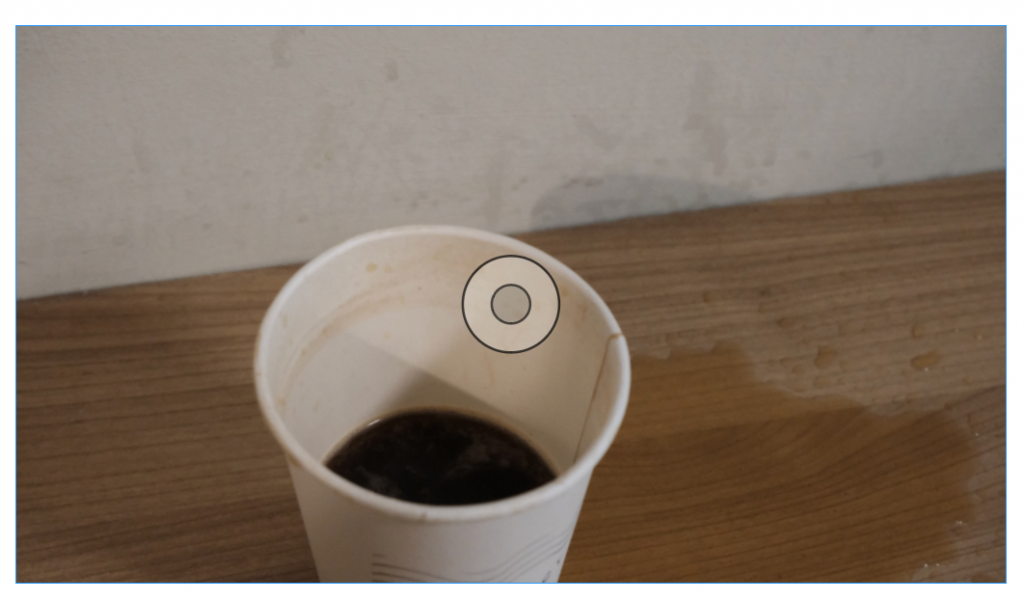
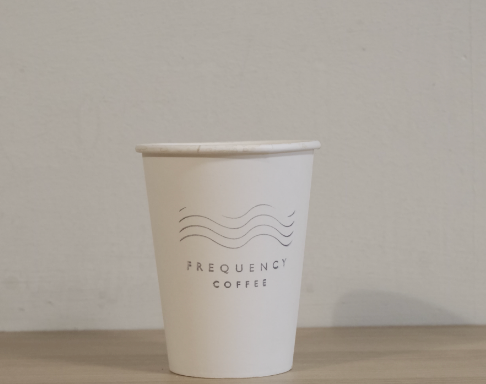
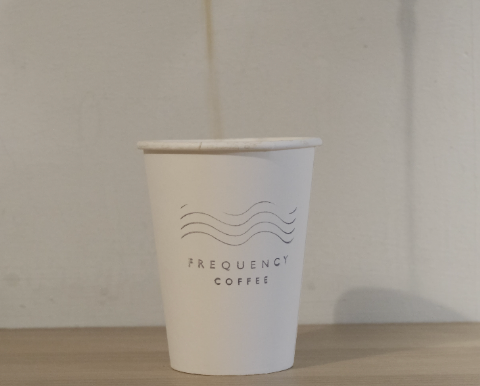
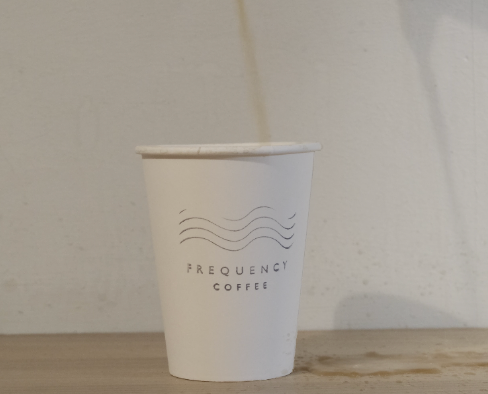
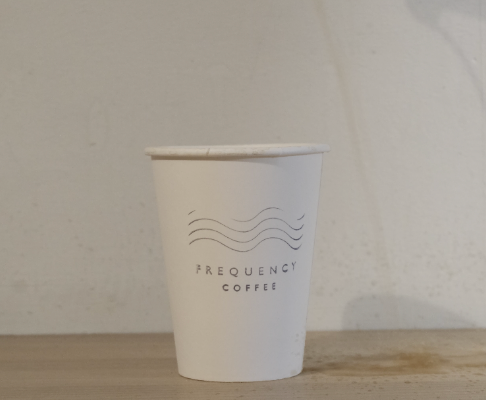
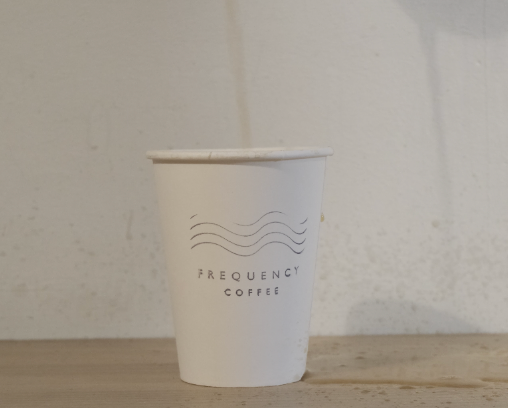
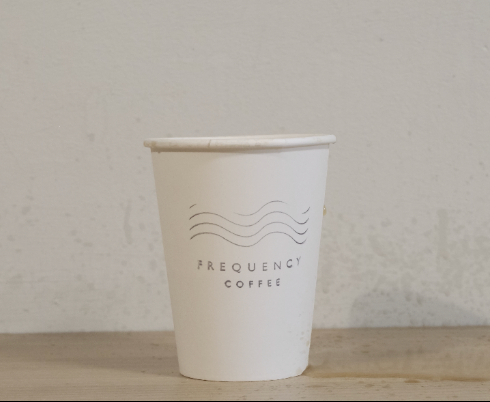
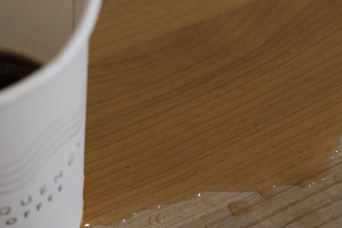
I used the COPYING method to reproduce Brecht’s ‘Drip Music’. I used an ordinary paper coffee cup as the container and documented the entire process with video and photos.
MIMICKING:
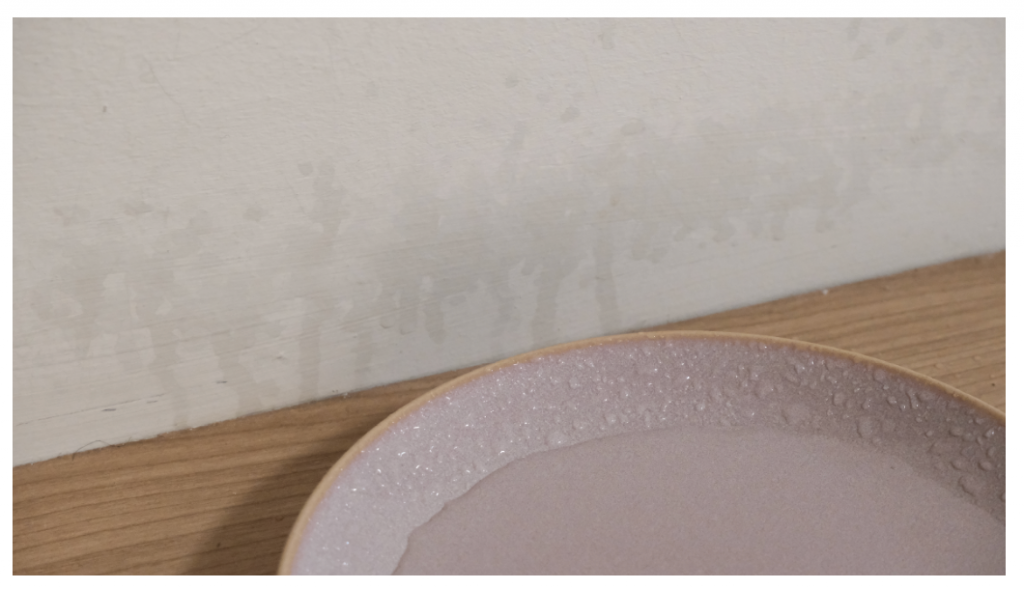
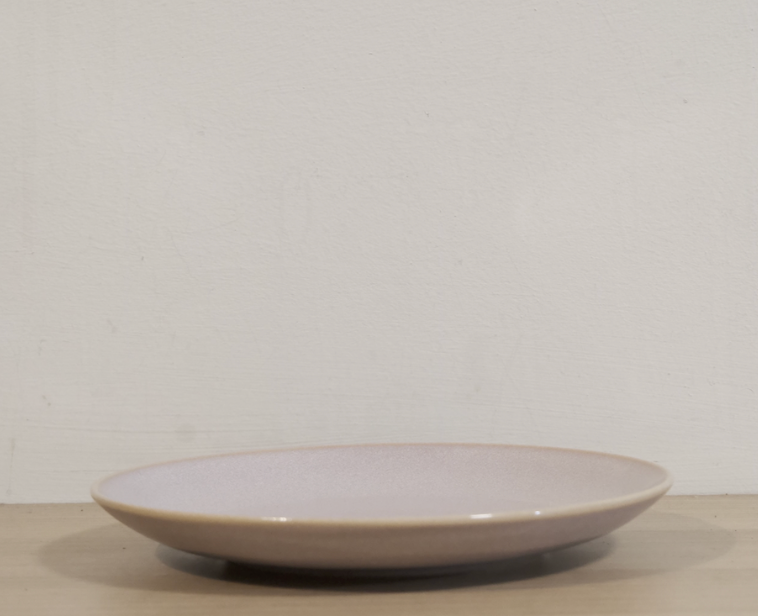
I followed the standards of drip music to simulate a dripping water process, but I used different media and containers, and documented these processes.
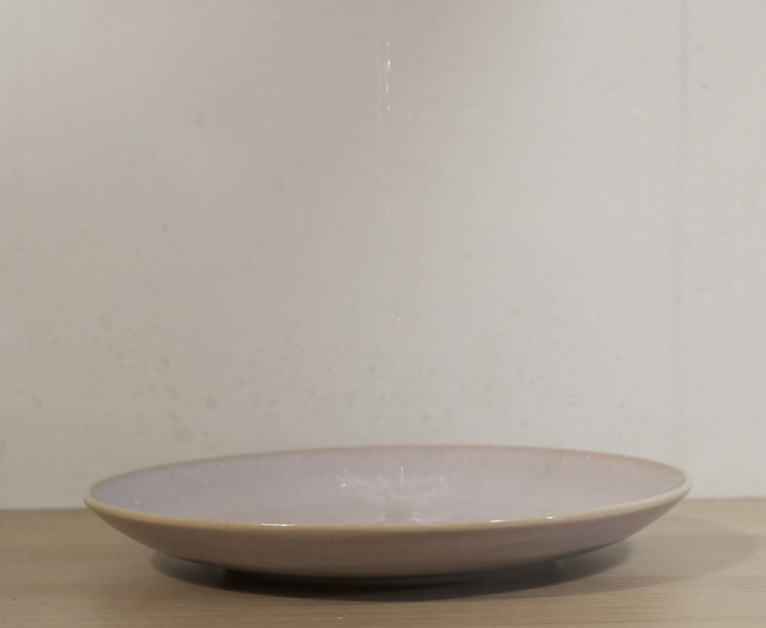
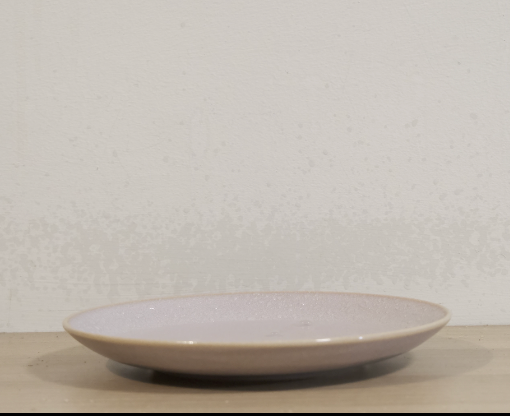
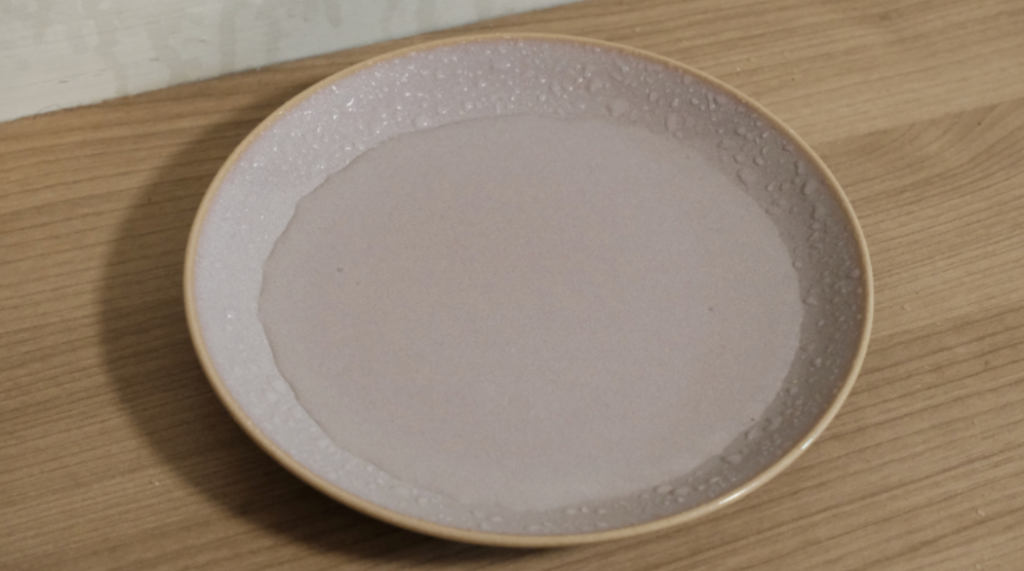
EXTRAPOLATING:
When we lift our hands to pour water, people repeat the motion of bending their wrists. Could that repeated bending also be considered a kind of “drip”?
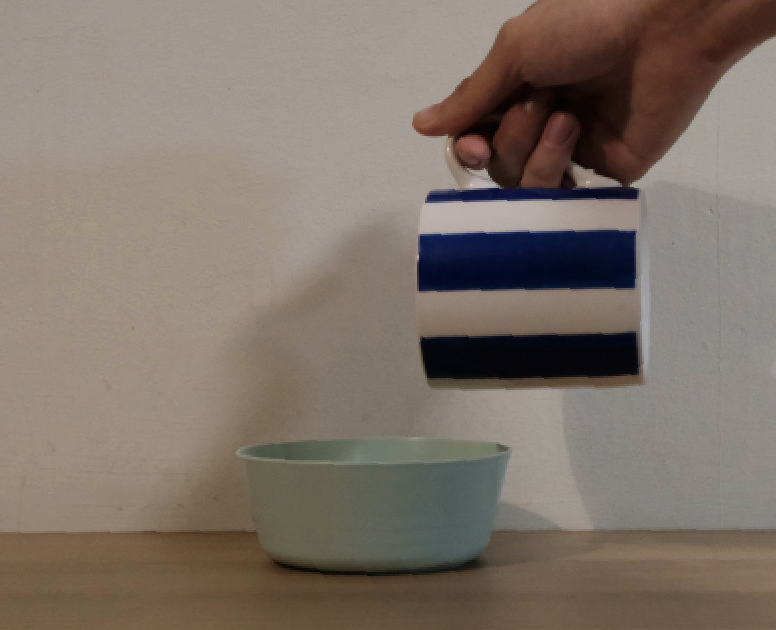
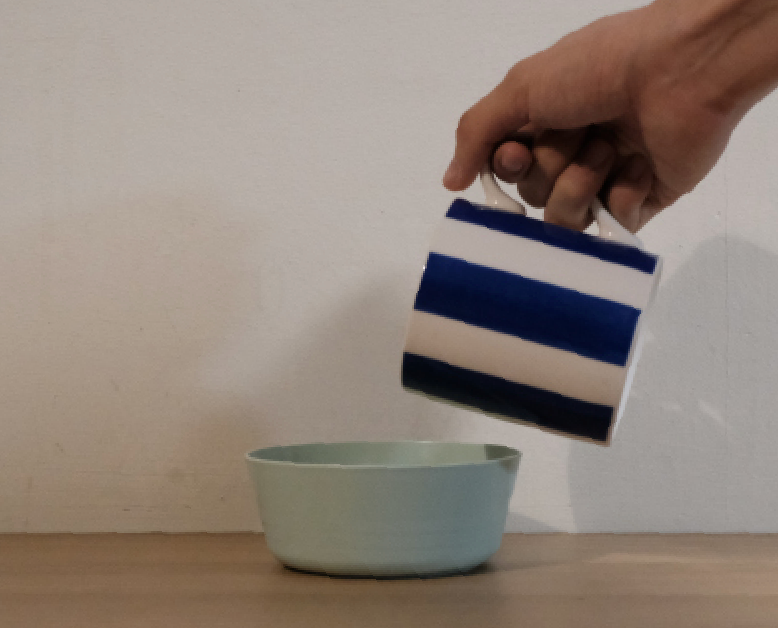
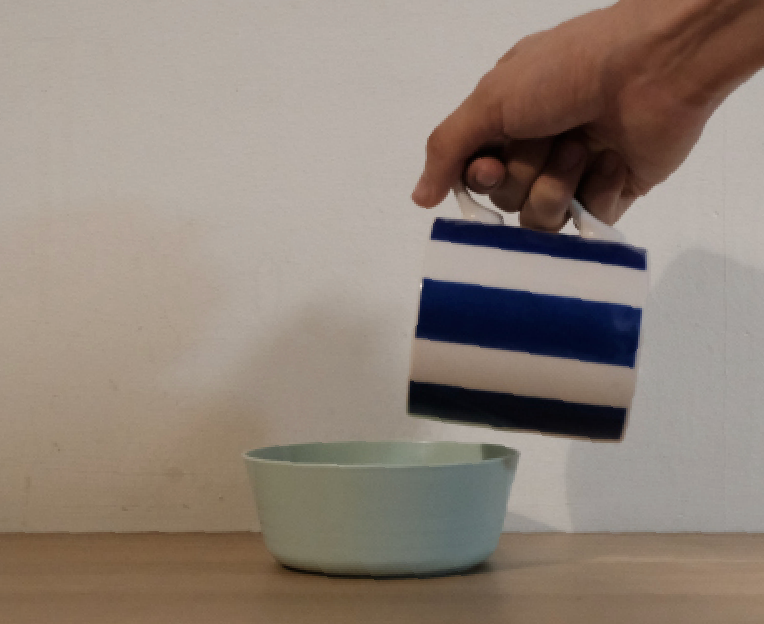
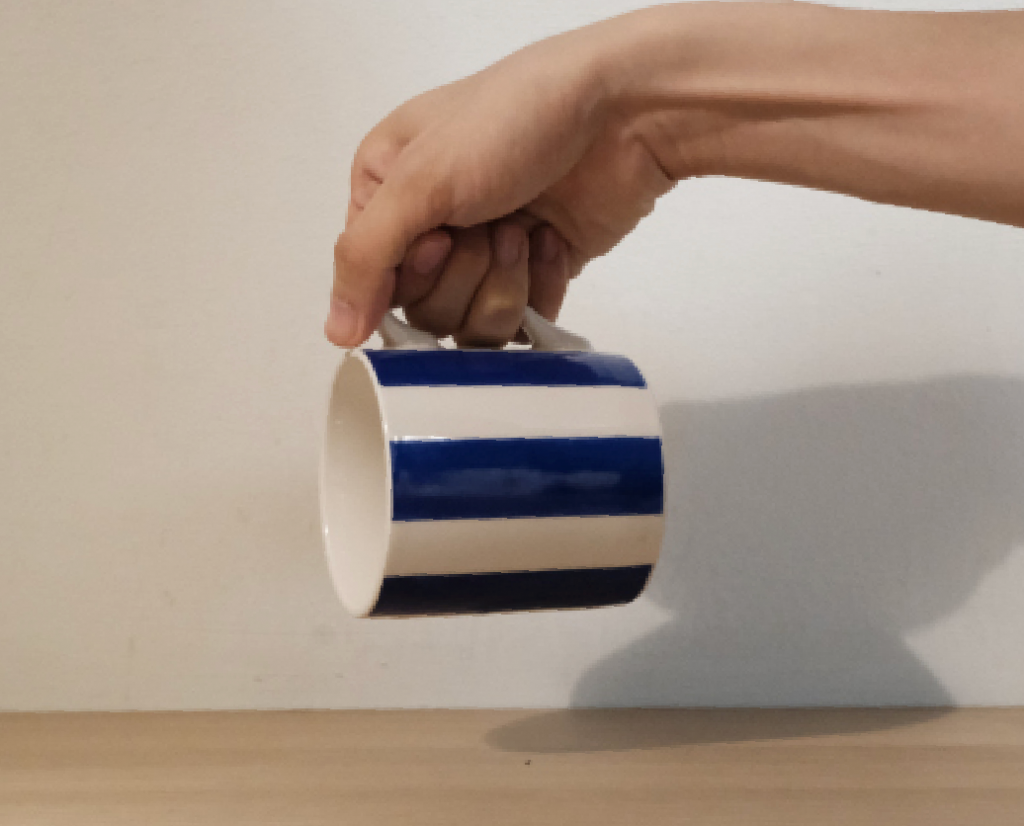
RELAYING:
Interestingly, when searching for Brecht’s ‘Drip Music’ on Google, you can see many people—artists and non-artists alike—recreating it in their own ways.
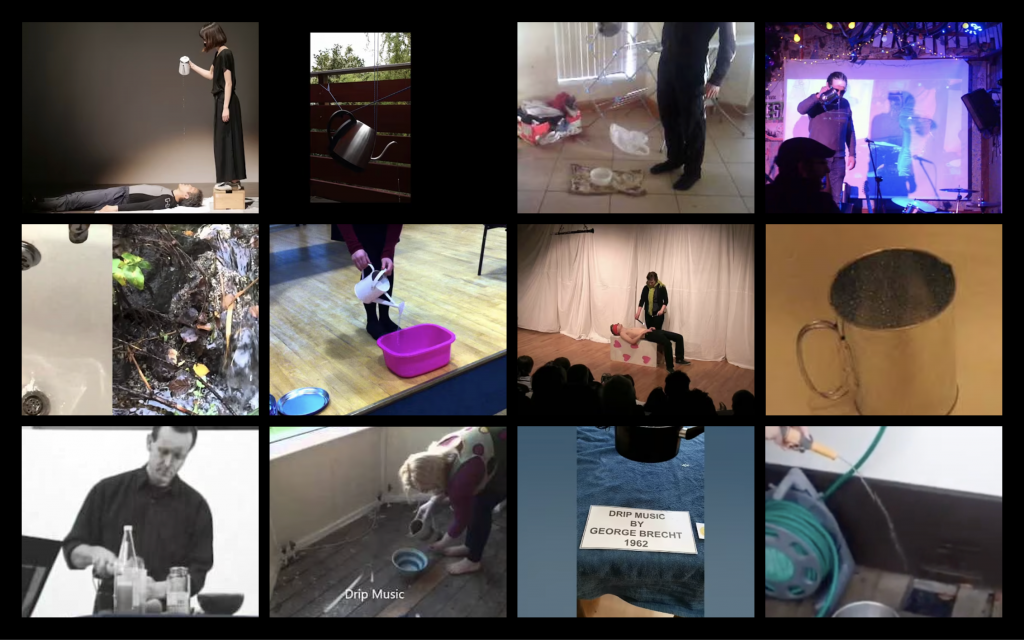
Fluxus artists like Brecht and Yoko Ono believed art should not be confined to galleries but integrated into everyday life. This idea still resonates today, especially in the post-pandemic era, when people place more value on “at-home art” and simple, replicable creative expressions. This notion of “streaming” is fascinating—people upload their own versions, adding music, visual effects, or humor. I feel that my photo collages resemble the kind of “user-generated content” found online, much like what the reading reference described as the “poor image.”
At the end of the first week, I rewrote a modernized version of the ‘Drip Music’ score, explicitly adding “pick up a container and bend the wrist” as the starting action to emphasize physical engagement.
Video