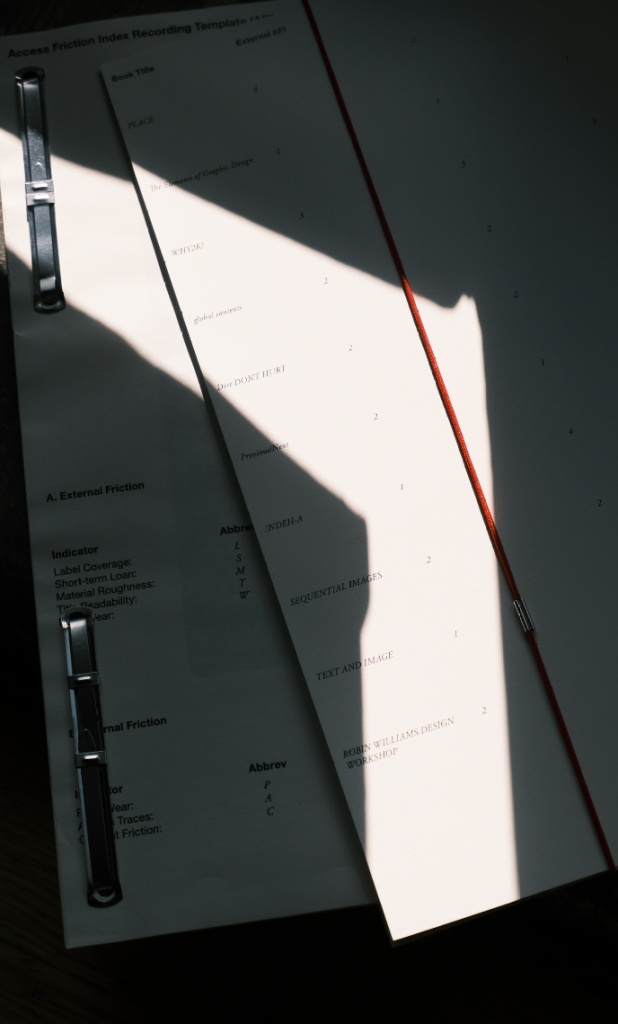
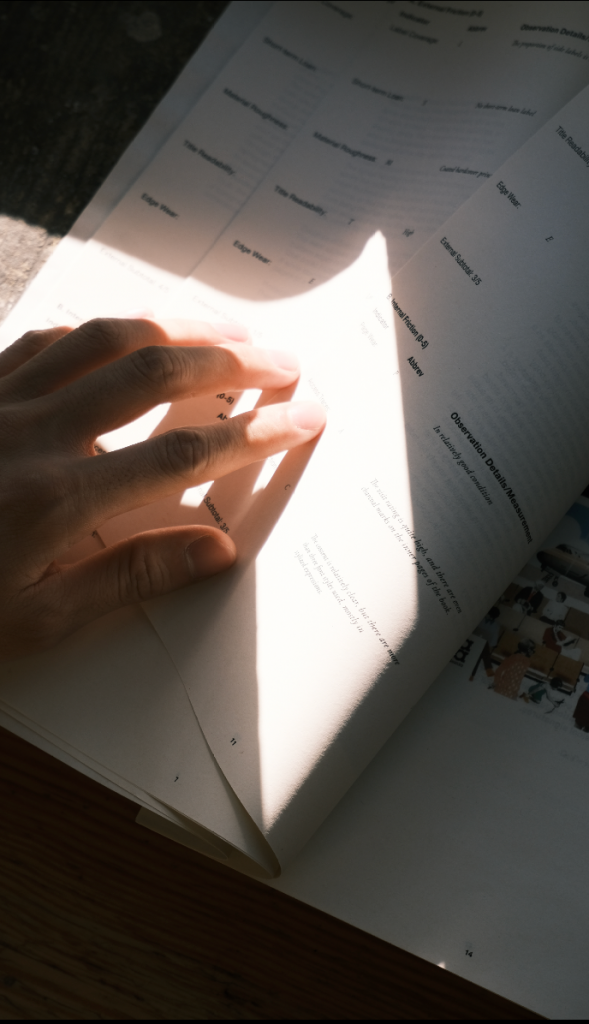
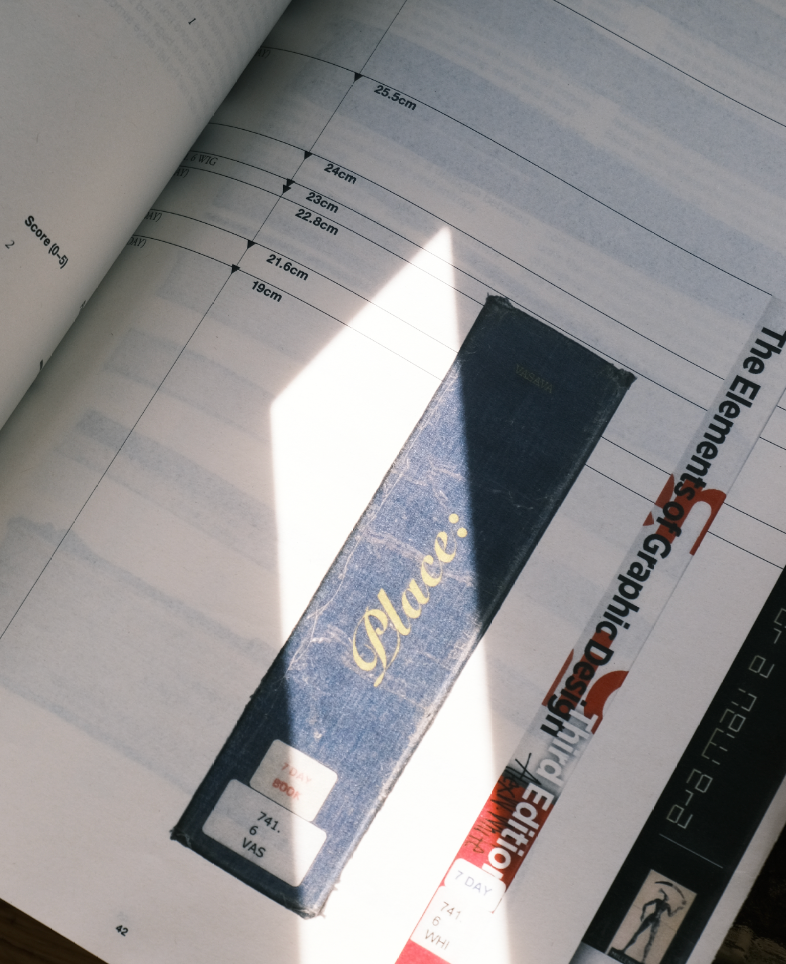
In my observations, the chance discoveries while browsing and the feel of touching books really stand out—imagine your fingers sliding over rough book spines. That physical friction isn’t a problem; it actually helps build deeper connections. Compared to digital options, physical books make knowledge feel more real and weighty.
This led me to use “friction” as a tool to measure access challenges and benefits, opening the door to using the AFI (Access Friction Index).
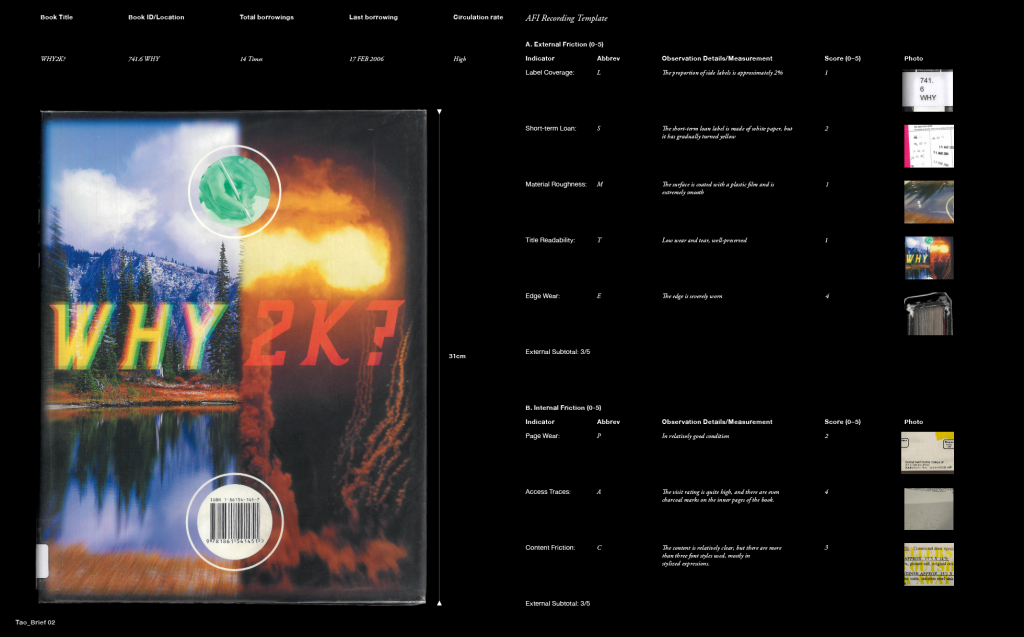
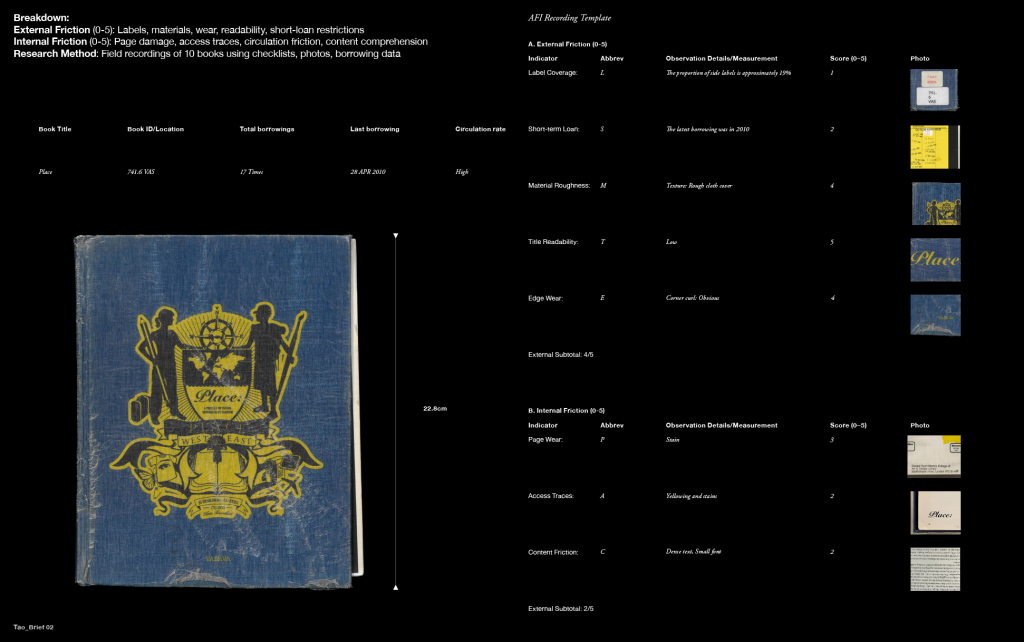
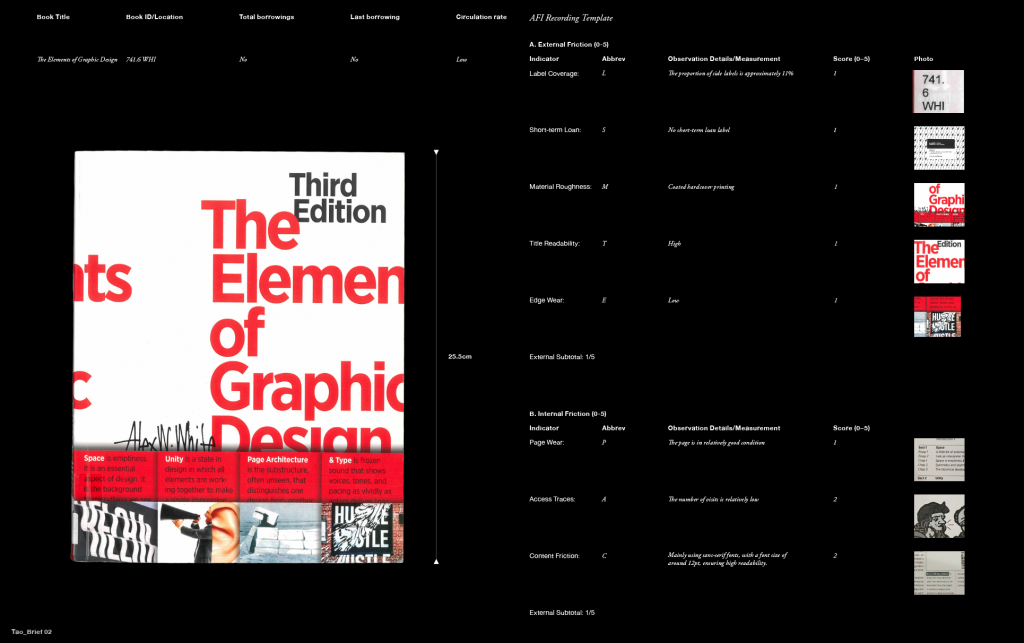
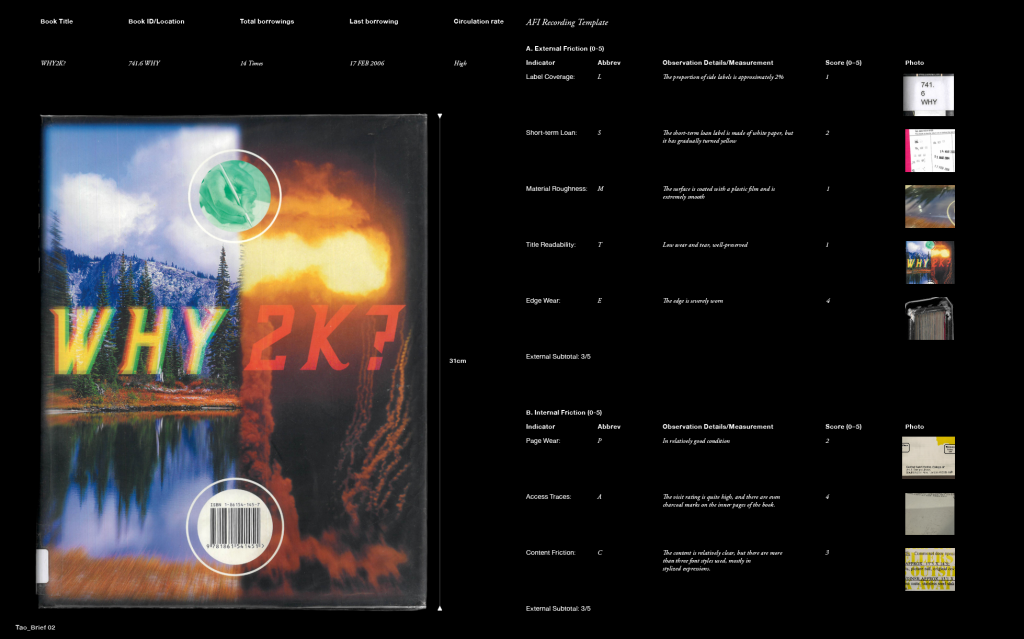
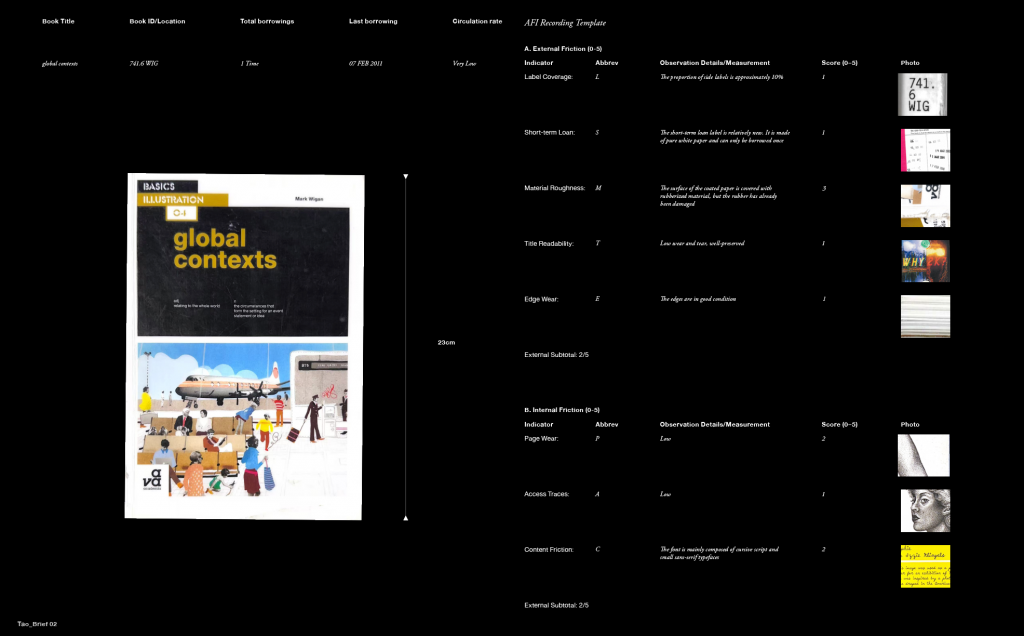
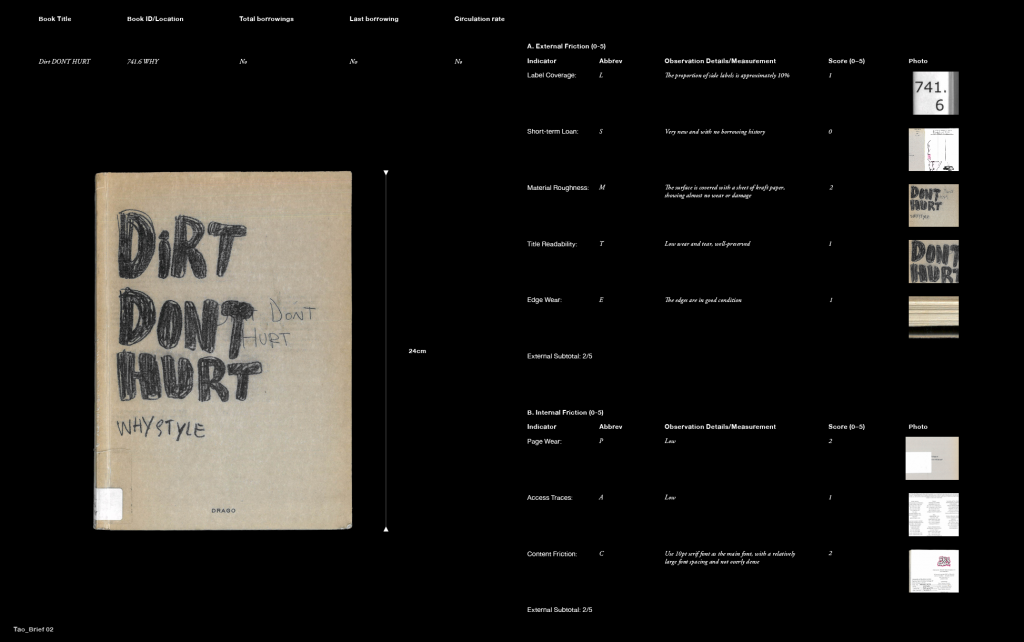
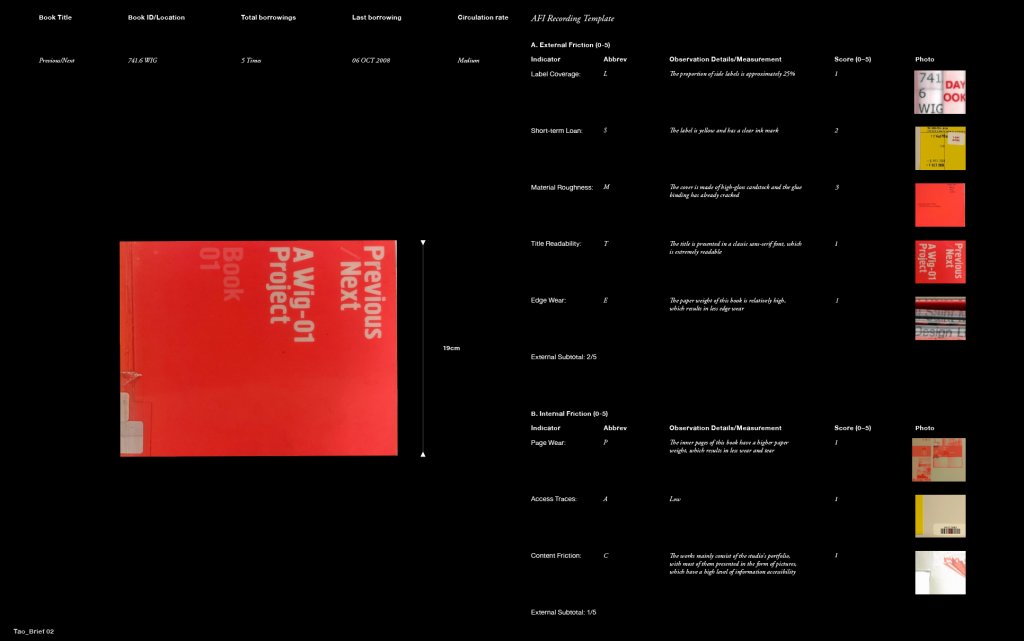
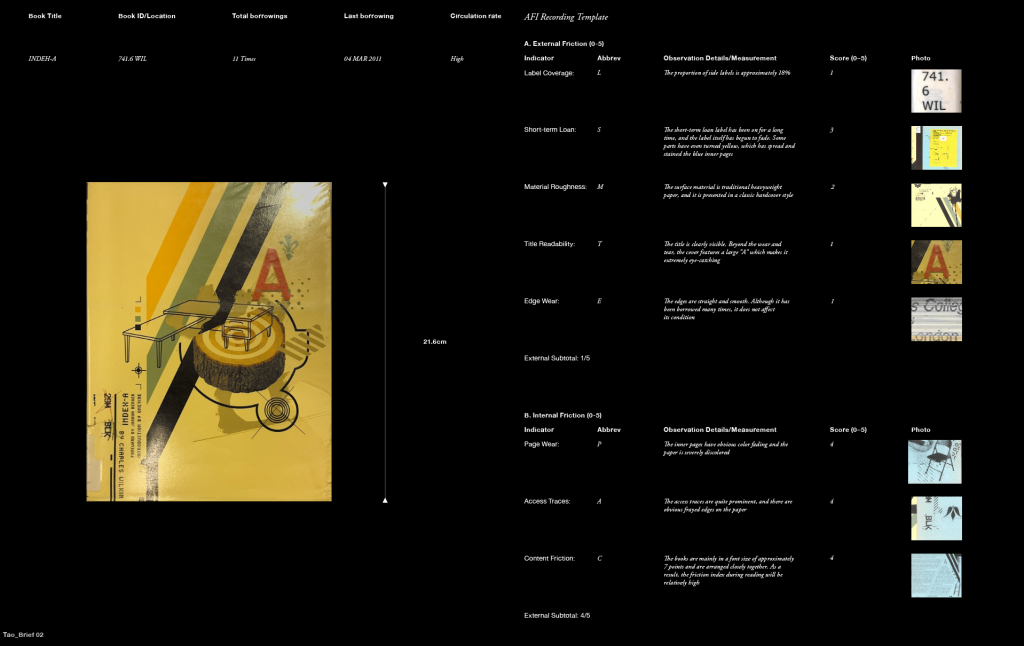
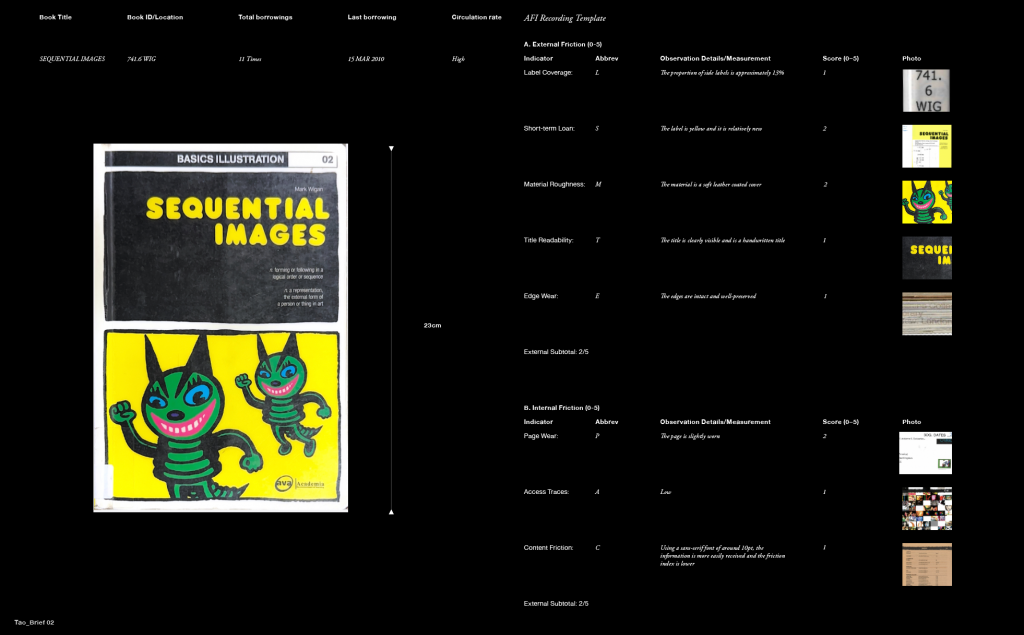
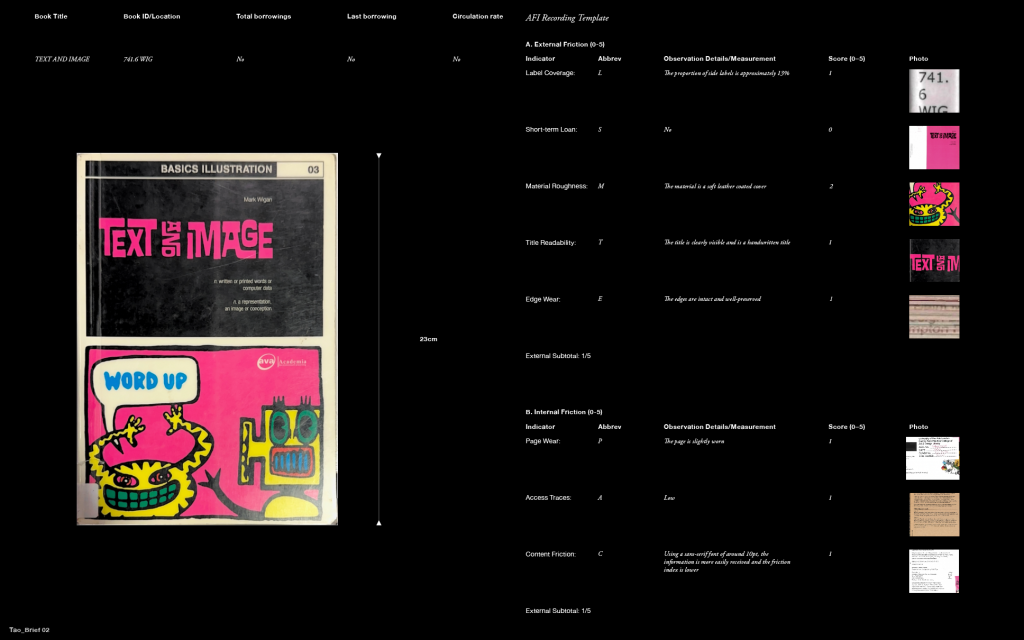
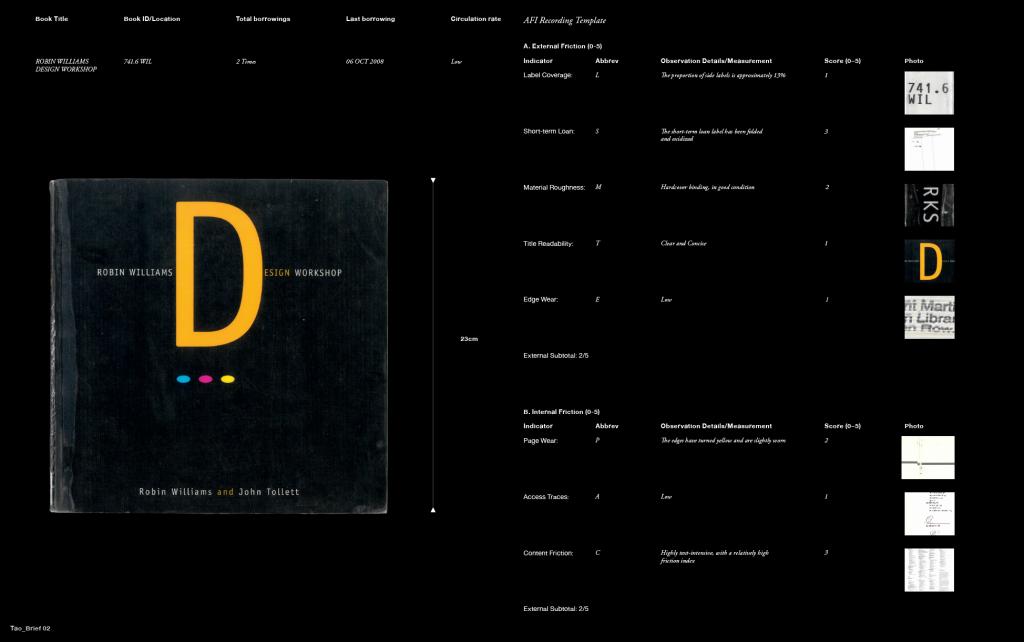
AFI stands for Access Friction Index—it measures getting to knowledge, using a 0-5 score for each part, with a total of 0-5. Let me break it down simply: external friction includes things like labels, materials, wear, how easy it is to read, and short-loan rules; internal friction covers page damage, signs of use, how often it’s borrowed, and trouble understanding the content.
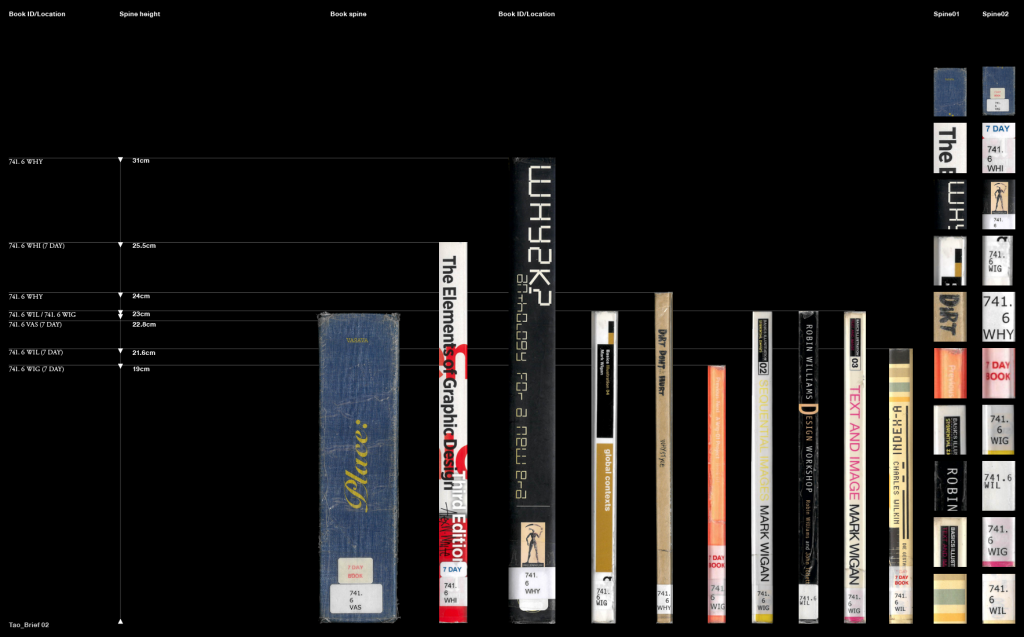
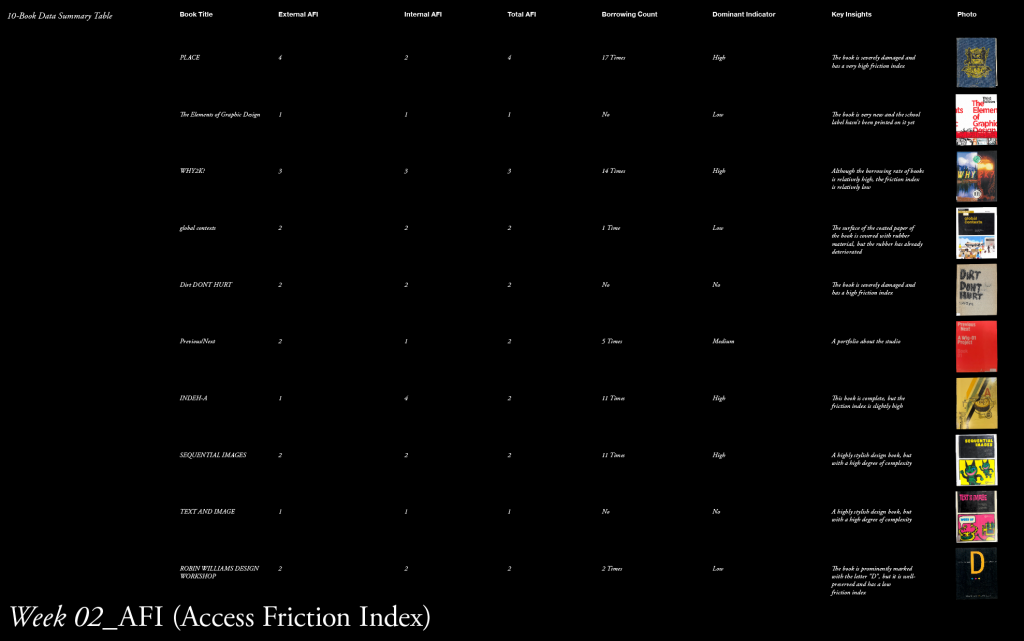
For my research, I did on-site studies of 10 books—for example, “Place” got a high friction score because of its labels and wear, I using checklists, photos, and borrowing records.
Some findings are really interesting: high friction is often linked to how popular a book is, like “WHY2K” scoring 4 out of 5 on internal friction; the table shows patterns across books, such as more borrowing, leading to clearer signs of wear. This isn’t just numbers; it shows how friction helps people engage more deeply.
External Friction (0-5): Labels, materials, wear, readability, short-loan restrictions
Internal Friction (0-5): Page damage, access traces, circulation friction, content comprehension
Research Method: Field recordings of 10 books using checklists, photos, borrowing data
Next, I will discuss how friction fits into the world of AI. We talked about “friction as opposition to AI,” where AI reduces friction to make access smooth and effortless—like ChatGPT providing instant answers.
But the core idea is that AI lets go of holding onto information and deep thinking—consider instant responses compared to the effort of working through a real book; that effort helps us “retain information.”
AI has conditioned us to expect whatever we want, whenever we want it. There’s no longer a gap between desire and satisfaction—we simply ask, and we receive.
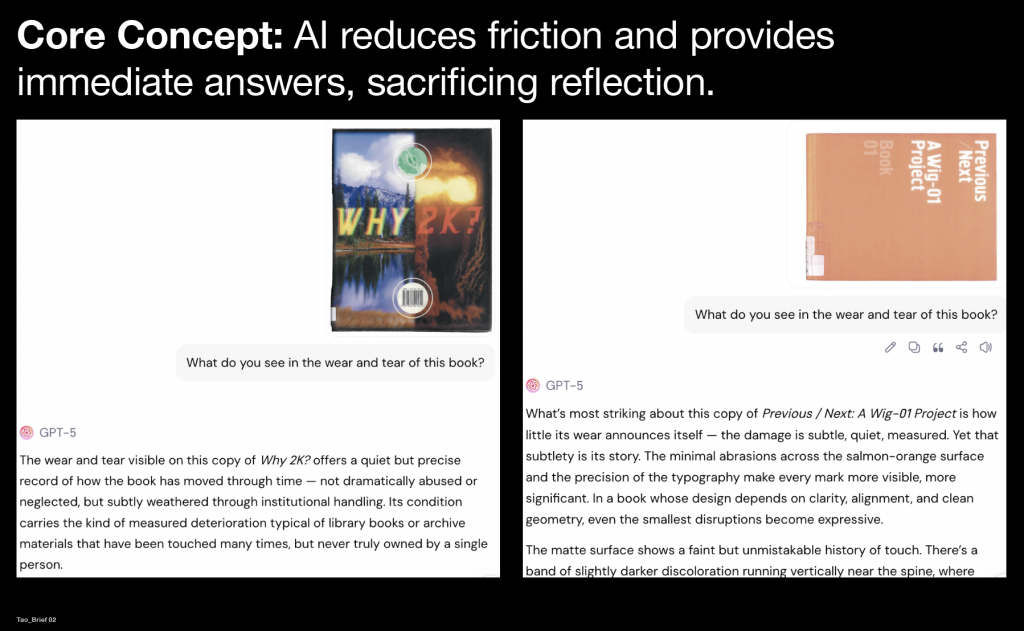
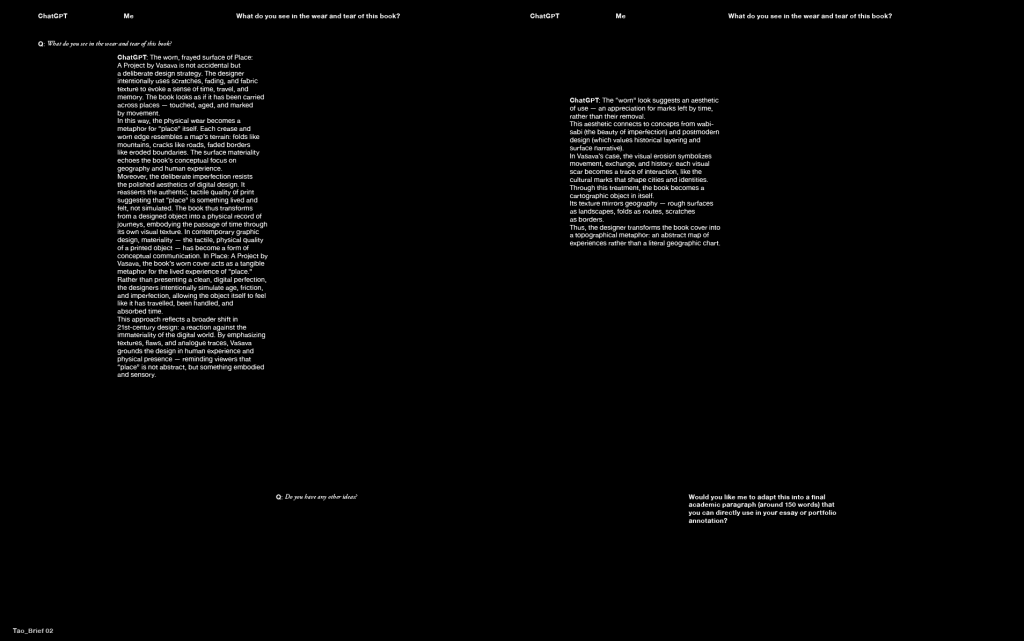
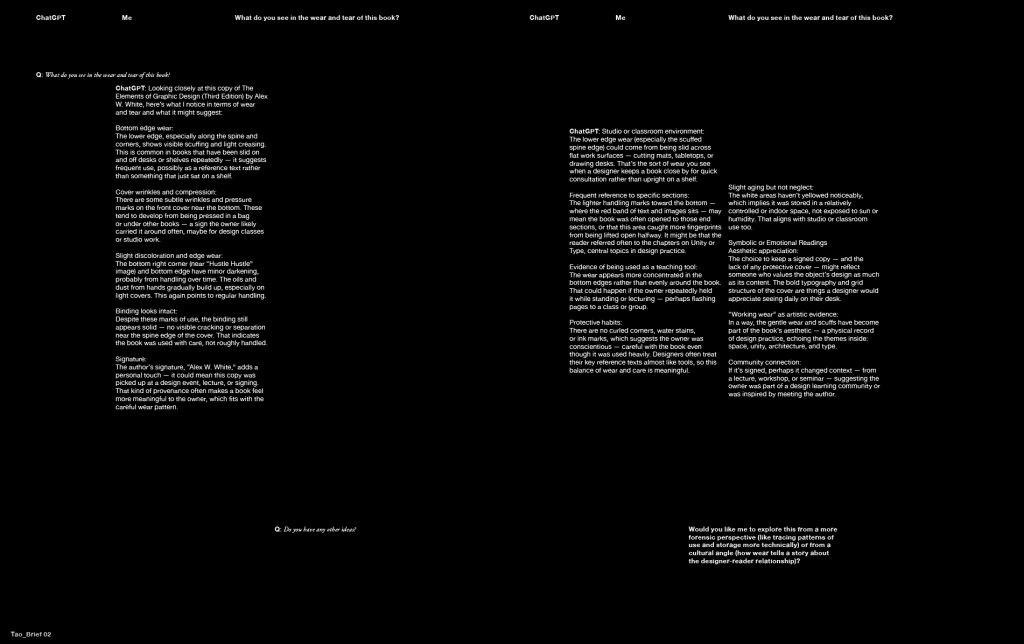
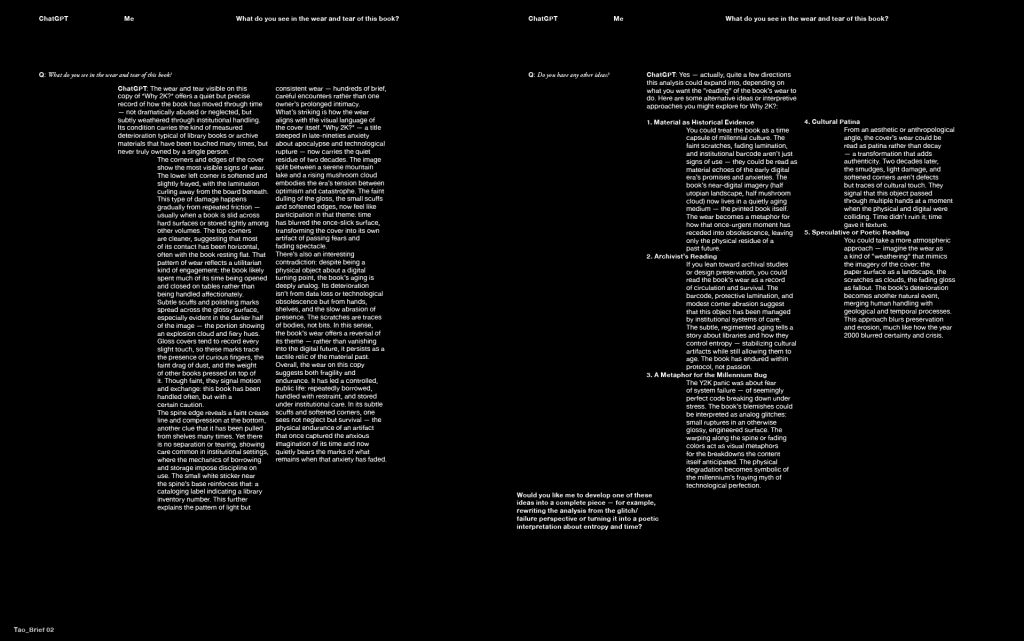
Philosophically, Heidegger’s ideas of “readiness-to-hand vs. presence-at-hand” align with this well—it’s about tools being so easy to use that we rarely notice them. ChatGPT illustrates this by performing low-friction analysis of book wear but missing the deeper meaning.
Here, I shared the information for each book with GPT, asking it to reflect on what the friction index represents.
Moving from research to output: the book design concept.
The book is about “Friction.” It features a structure with an introduction, AFI records, edge wear, and additional information for each section. One particularly interesting element is the presence of hidden pages showing AI perspectives that you must “damage” to reveal. The front reads “What am I thinking about?” while the back asks “What is AI thinking about?”
The main idea includes a dual narrative: human high-friction on one side and AI low-friction on the other—like pages you can cut through to physically experience that meaningful friction.
I want everyone to feel the friction both physically and spiritually. I aim to create more than just a book; I want to construct an experience. One that compels the reader to feel friction not only physically, as their hands engage with resistant materials and ruptured pages, but also spiritually, as they confront the discomfort and curiosity that come with learning from tension. “Friction” becomes a space of contact—where human imagination and AI against each other to spark new understanding.