PROMPT
Select one reading from the course reading list and ‘re-present’ its main arguments and ideas using the structure, form, or method of another reading on the list.
As a starting point, identify a few readings whose structure or form is unique or readily apparent—
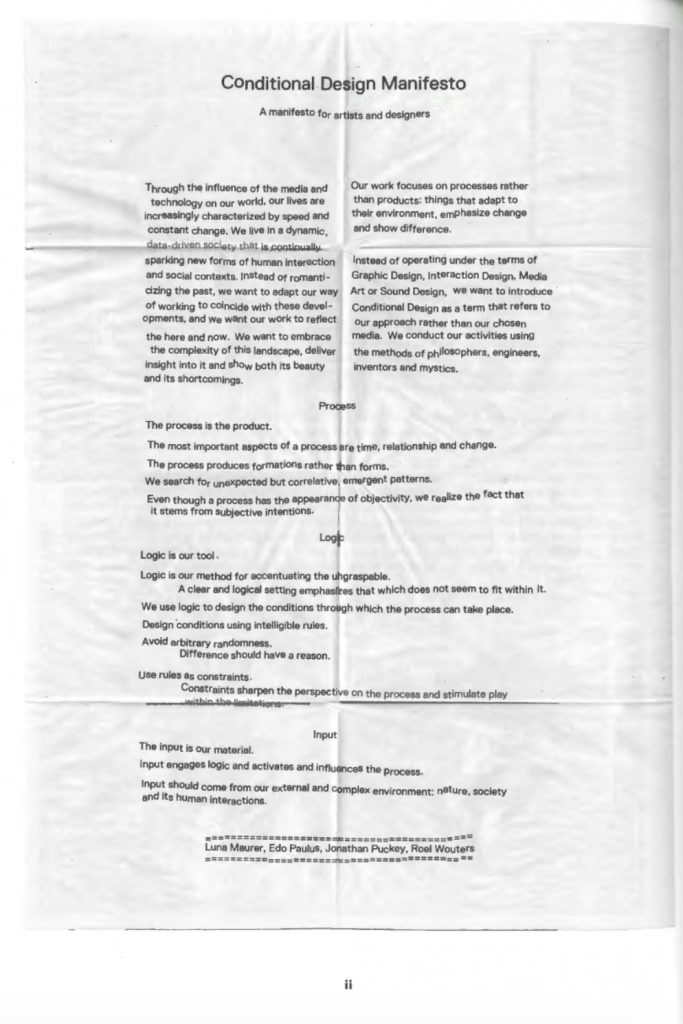
ex. Exercises in Style (Raymond Queneau)
Invisible Cities (Italo Calvino)
‘Conditional Design Manifesto’ (Blauvelt, et al)
—and consider how other texts on the list might be altered if you were to ‘filter’ them through those forms. Keep in mind that this is intended to be a written response, so whatever medium you choose, the outcome should be textually based.
The Conditional Design Manifesto (Blauvelt et al.,2013) is a collaborative manifesto. It explores conditional design as a creative methodology that their work focuses on processes rather than products (Blauvelt et al.,2013).
In contrast, Exercises in Style (Queneau, 1998) is a literary experiment, retelling a mundane anecdote (a man’s minor altercation on a bus and a later encounter) in 99 distinct stylistic variations. It demonstrates how style profoundly shapes meaning, turning a simple narrative into a multifaceted exploration of language, tone, and form. Through playful manipulations, inviting readers to question how variations in expression alter perception and knowledge.
For this written response, I selected the Conditional Design Manifesto (Blauvelt et al.,2013) as the source of the main narrative content, drawing primarily from its manifesto section (Blauvelt et al., 2013, p. ii) and the workshop rules (Blauvelt et al., 2013, pp. x-xi). These parts encapsulate the manifesto’s core arguments: ‘things that adapt to their environment, emphasize change and show difference’. I condensed this into a fictional workshop anecdote to mirror Queneau’s base story, allowing for stylistic re-tellings that highlight how to introduce Conditional Design as a term that refers to our approach rather than our chosen media (Blauvelt et al., 2013, p. ii).
This is a story about four designers who were originally a group of creators focused on achieving fixed outcomes. However, due to a chance event, they shifted from designing “products” to designing “processes.” They discovered that designers no longer create objects with a final form, but instead establish a set of clear rules and conditions that allow participants—whether people or the environment—to interact within this framework, thereby naturally “generating” unpredictable results.
To re-present these ideas, I adopted elements from Exercises in Style:
Structure: Fragmented and repetitive to mimic Queneau’s modular chapters, emphasizing iteration and emergence.
Form: Experimental literary variations, blending narrative prose with unconventional formats to create a playful, non-linear text that functions as both story and critique.
Method: Systematic stylistic transformation, where each variation alters tone, vocabulary, or syntax to reframe the same content.
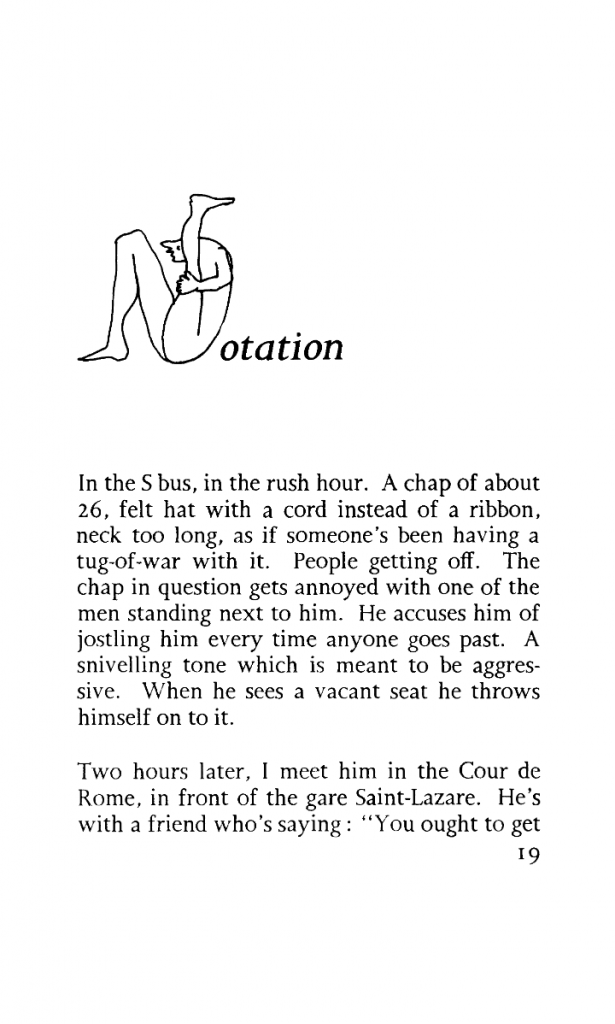
Notation
Once upon a time, four designers sat around a blank sheet of paper, each bound by simple rules: draw only straight lines and let patterns emerge. One designer, frustrated by a colleague’s random stroke, protested: “Your arbitrary disrupts my logic!” But as they continued, the chaos of inputs wove into unexpected beauty—a complex system born from constraints.
Later, reflecting outside, a wise peer said: “Embrace more rules; they guide emergence, turning process into profound discovery.” Thus, they learned: true creation blooms not from freedom alone, but from the dance of limits and collaboration.
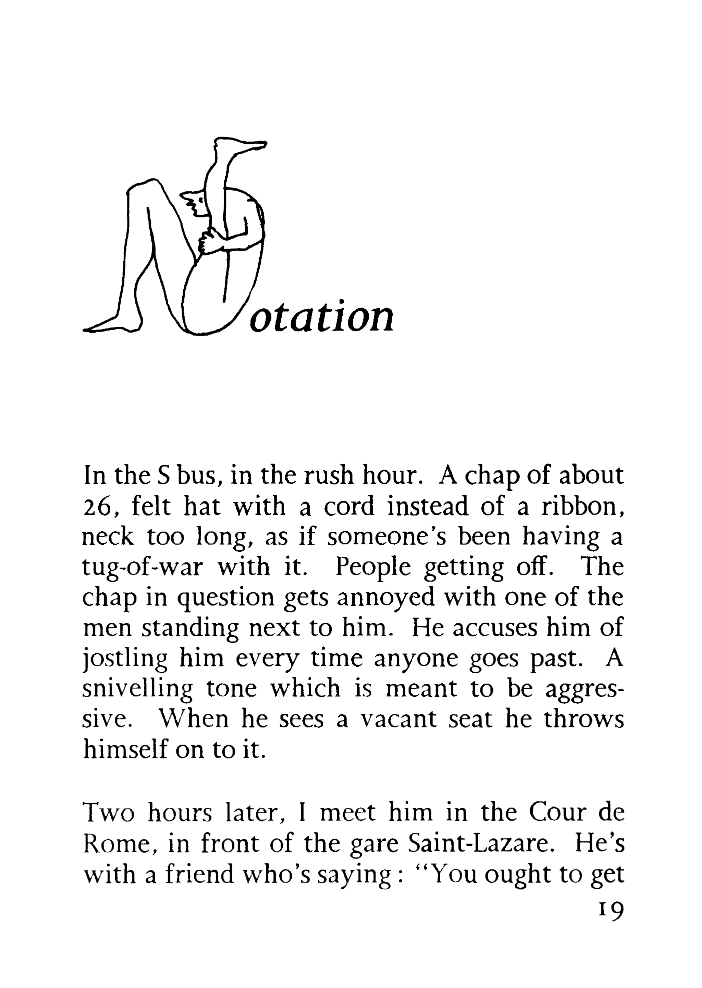
Double Entry
In a bustling workshop and amid creative chaos, four designers gathered around a large sheet of paper and began sharing their tools. One designer, feeling constrained by rigid rules and drowned in complexity, argued with another about the logic and the process flow. “Your arbitrary randomness is jostling my process and shattering my emergence!”
Two hours later and precisely 120 minutes after, outside the studio and in the fresh open air, I saw him again and witnessed the scene unfold once more. A colleague advised and recommended: “Add more constraints to your framework and refine your logic—right here, to balance the emergence and cultivate patterns.” He pointed to the manifesto and its core principles, explaining the reasons and detailing the rationale.
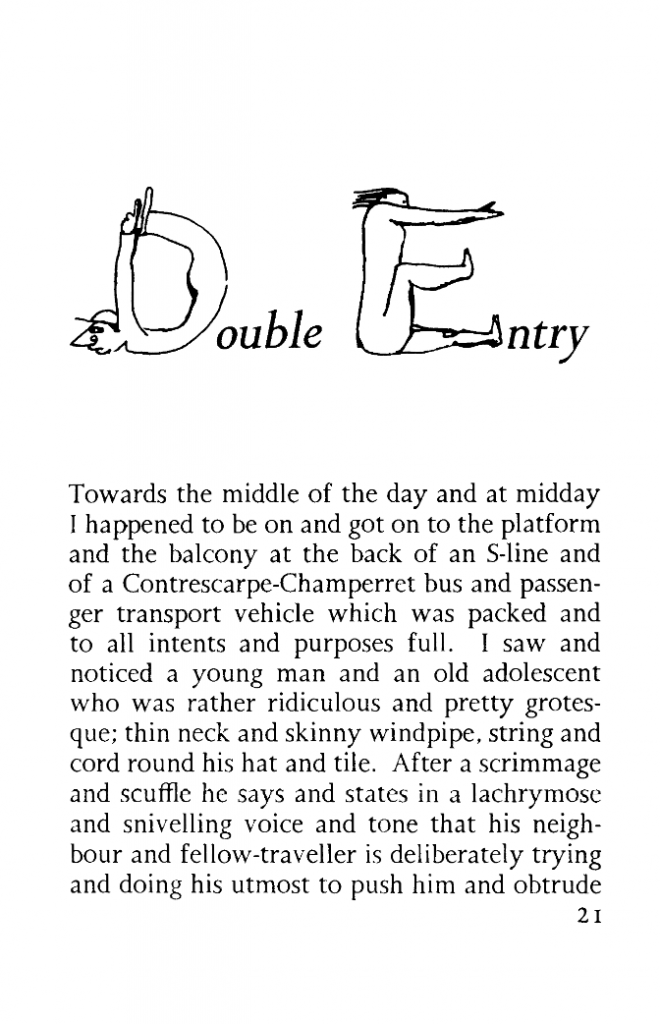
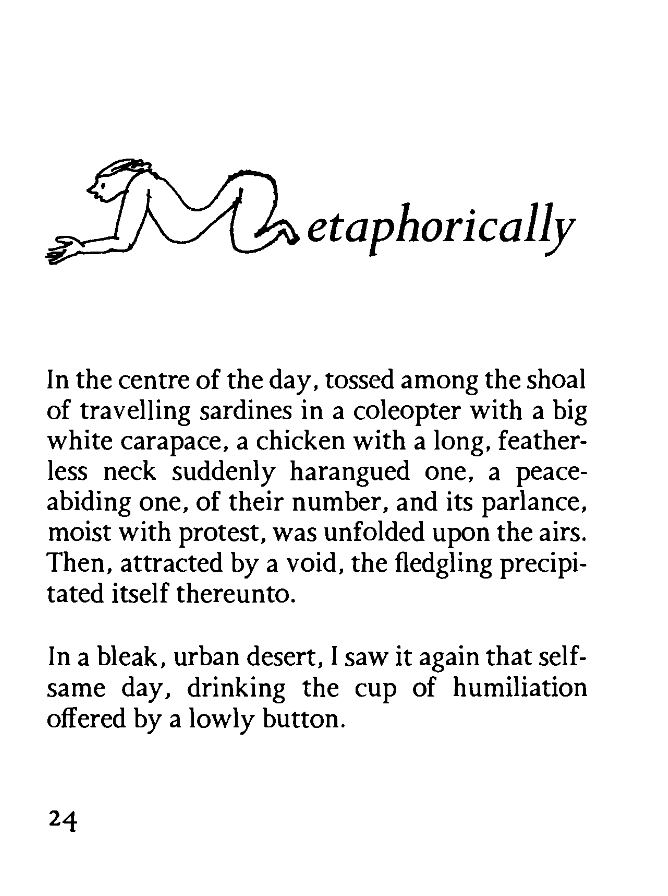
Metaphorically
In the hive of ideation, tossed among swarming inputs in a vast ecosystem of paper, a fledgling designer with a logic-stretched neck suddenly buzzed at a fellow bee, accusing it of pollinating his space with random chaos. Its manifesto-like hum, laced with conditional protest, echoed through the air.
In a jungle later that day, I spied it sipping the nectar of feedback from a mentor button: “Affix stricter rules to your process coat,” the sage droned, revealing the lapel of logic.
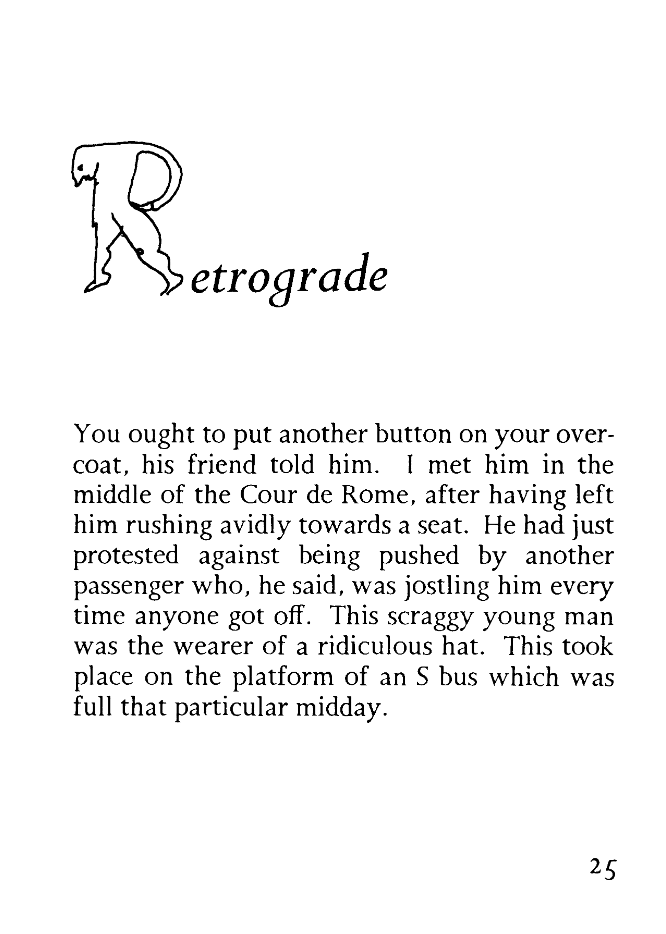
Retrograde
You ought to add constraints to your conditional framework, his mentor told him. I met him outside the studio, after watching him claim an open space. He had just protested against another’s input jostling his process. This idiosyncratic designer wielded a manifesto-like hat. This unfolded in a workshop full of emergent patterns that midday.
Philosophic
Thus, in the realm of conditional processes, wherein logic governs the unpredictable, a designer confronts the entropy of input. “Thy randomness offends my structured emergence,” quoth he, in tones of dialectical protest.
Thereafter, in the agora of reflection, a sage imparts: “Append thou constraints to thy manifesto, lest emergence devolve into chaos.” And lo, knowledge forms through conditional dialectics.
Reference list:
Maurer, Luna, et al. Conditional Design Workbook. Amsterdam, Valiz, 2013.
Queneau, Raymond, and Barbara Wright. Exercises in Style. Richmond, Alma Classics, [1947] 2012.